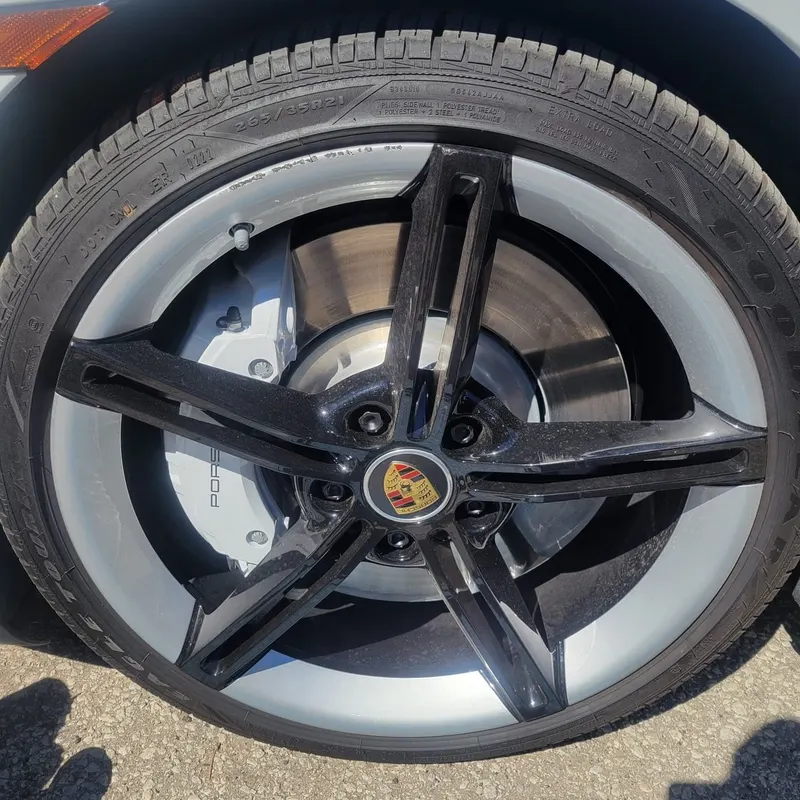
 Before
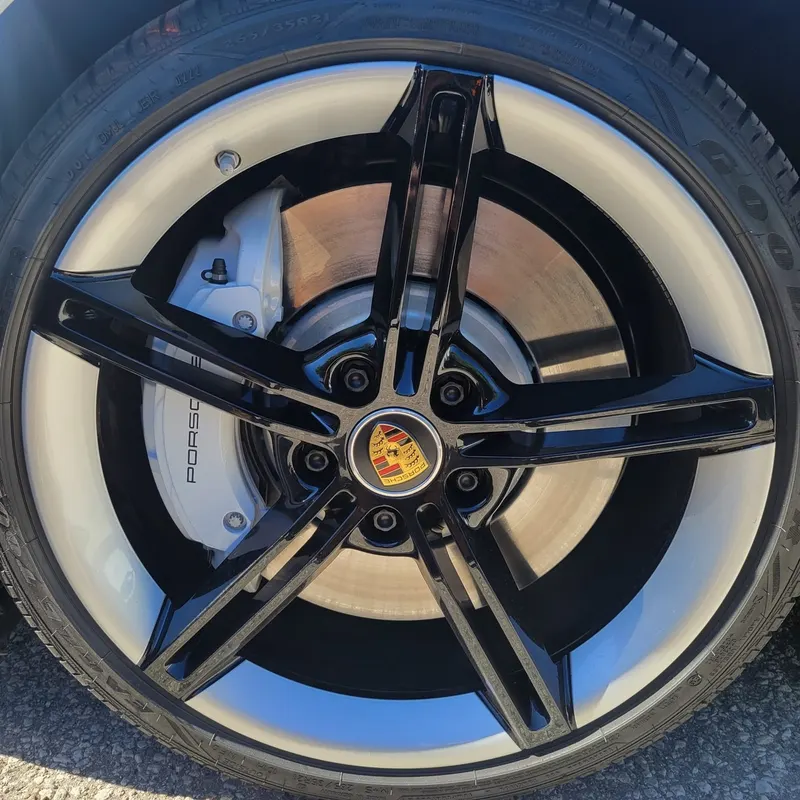 After
When your rims get scraped up, it's tempting to shop for a cheap set of aftermarket wheels and call it a day. But in most cases, the wheels your car came with are better wheels than what you'd replace them with. They were designed for your car, tested hard before they ever left the factory, and they hold their value. Here's why your OEM rims deserve some pride, and a repair rather than a replacement.
Engineered for one car, not every car
An OEM (original equipment manufacturer) wheel is designed alongside the car it goes on. The automaker's engineers set its specs around that specific vehicle:
- Load rating: the wheel is rated for the weight of your car. This matters more than ever with heavy SUVs and electric vehicles, which carry a lot more weight per wheel than a typical sedan.
- Offset and width: these are matched to the suspension geometry, so steering feel, handling and tire wear behave the way the engineers intended.
- Hub fit: factory wheels are made with a centre bore that fits your hub exactly. Many aftermarket wheels use a larger, universal bore and rely on hub-centric rings to fill the gap.
- Brake and sensor clearance: OEM wheels are designed around your brakes and tire pressure (TPMS) sensors, so everything fits without spacers or surprises.
An aftermarket wheel is usually designed to fit as many cars as possible. That flexibility is great for selling wheels, but it means compromises for any one car.
Tested harder than you'd think
Before a factory wheel goes into production, automakers put it through demanding tests: impact tests that simulate hitting a pothole or curb, radial fatigue tests that load the wheel over and over to simulate years of driving, cornering fatigue tests, and corrosion testing. Each automaker sets its own internal standards, and they're typically stricter than industry minimums.
Aftermarket wheels are a mixed bag. In North America, the industry standard for aftermarket wheels is SAE J2530, but meeting it is voluntary. Reputable brands test their wheels, and many carry JWL or VIA markings (a Japanese standard and the independent body that verifies it). Plenty of budget wheels sold online give you little or no information about how, or whether, they were tested.
How a wheel is made matters
Not all alloy wheels are built the same way. From least to most expensive, the common methods are:
- Gravity casting: molten aluminum is poured into a mould. It's the cheapest method and common in budget aftermarket wheels. Because the metal is less dense, these wheels often need extra material to be strong enough, which makes them heavier.
- Low-pressure casting: the method behind most factory wheels. Pressure pushes the metal into the mould, giving a denser, more consistent wheel with fewer weak spots.
- Flow forming: a cast wheel whose barrel is spun and stretched under pressure, making it lighter and stronger. Used on some performance models.
- Forging: the wheel is pressed from a solid block of aluminum. It's the strongest and lightest option, and the most expensive. You'll find forged wheels on high-end performance cars.
Where aftermarket wheels make sense
To be fair, some aftermarket wheels are excellent. Forged and flow-formed wheels from respected brands are built for racing and track use, where saving weight and handling extreme loads matter more than anything. If you're building a dedicated track car, a purpose-built wheel from a reputable manufacturer can be the right call.
But that's a small slice of the market. For a car you drive every day, through potholes, winter roads and tight parking lots, a factory wheel is very hard to beat.
Be careful with replica wheels
"Replica" wheels copy the look of factory or brand-name designs at a fraction of the price. The look might be close, but the materials, manufacturing and testing usually aren't. If a wheel is selling for far less than the original, there's usually a reason.
OEM wheels hold their value
Original wheels matter when it's time to sell, trade in or return your car. Buyers and dealers generally prefer cars on their factory wheels, and many lease agreements expect the car to come back with its original equipment. Clean factory rims help your car look cared for and can make a real difference to what it's worth.
Be proud of your factory rims, and fix them
Curb rash, scratches and scuffs are almost always cosmetic. They don't mean your wheels are finished; they mean your wheels need some attention. A professional repair brings them back to a factory-looking finish for a fraction of what a new wheel costs, and you keep the wheel that was engineered for your car.
That's exactly what we do. We come to your home, workplace or dealership anywhere in the GTA and restore your OEM rims on the spot. Rim repair is from $85 per rim. Text a photo to 416-800-1757 and we'll provide you with a quote.